

Recognizing your precise nature associated with one's tresses acts as the primary building block for dealing with hair loss properly. Countless people neglect to grasp the fact that follicle structure is not only a aesthetic trait; it represents the vital clinical marker which determines how tresses will behave during genetic conditions. Whether contemplating transplant interventions, the in-depth analysis pertaining to follicular profile becomes not discretionary, rather a mandatory element of the consultation process. Through grouping hair according to curl patterns, diameter, along with volume, surgeons can forecast the progression of hairline loss utilizing remarkably greater accuracy, leading to superior customized and successful follicular transplant conclusions.
Broadly, hair types are grouped using a widely accepted framework which extends from straight through kinky. Type 1 hair is defined by a lack of apparent curl, frequently appearing shiny. Type 2 tresses curves into an gentle formation. Type 3 hair shows distinct curls that can range between loose spirals up to springy coils. Kinky hair is most tightly packed type, frequently featuring sharp bends. Each class possesses individual biological properties which influence only the appearance but inherent resilience concerning the hair strand. When instance, finer strands may exhibit lower coverage when thinning starts, while thicker types often provide illusion of greater density even during active follicle recession. Understanding such differences remains paramount because the physical characteristics within your hair profile dictate the eligibility regarding multiple restorative techniques.
A relationship between follicular type and the progression of hair recession is deep. Patients with coarser or coily hair often notice the slower apparent progression within balding due to each single hair covers more expanded surface area. On the other hand, persons having fine strands frequently experience what appears to be a faster thinning process, because less hairs are grant necessary coverage over exposed skin. Additionally, inherent nature concerning textured strands presents challenges in the surgical process. Surgeons are required to account for inherent bend within follicular root below the while doing harvesting. Should this anatomical factor be overlooked, this increases likelihood regarding graft damage, which inevitably lowers overall viability yield within the follicles. Thus, a experienced doctor must tailor their approach precisely to distinct hair structure of client.
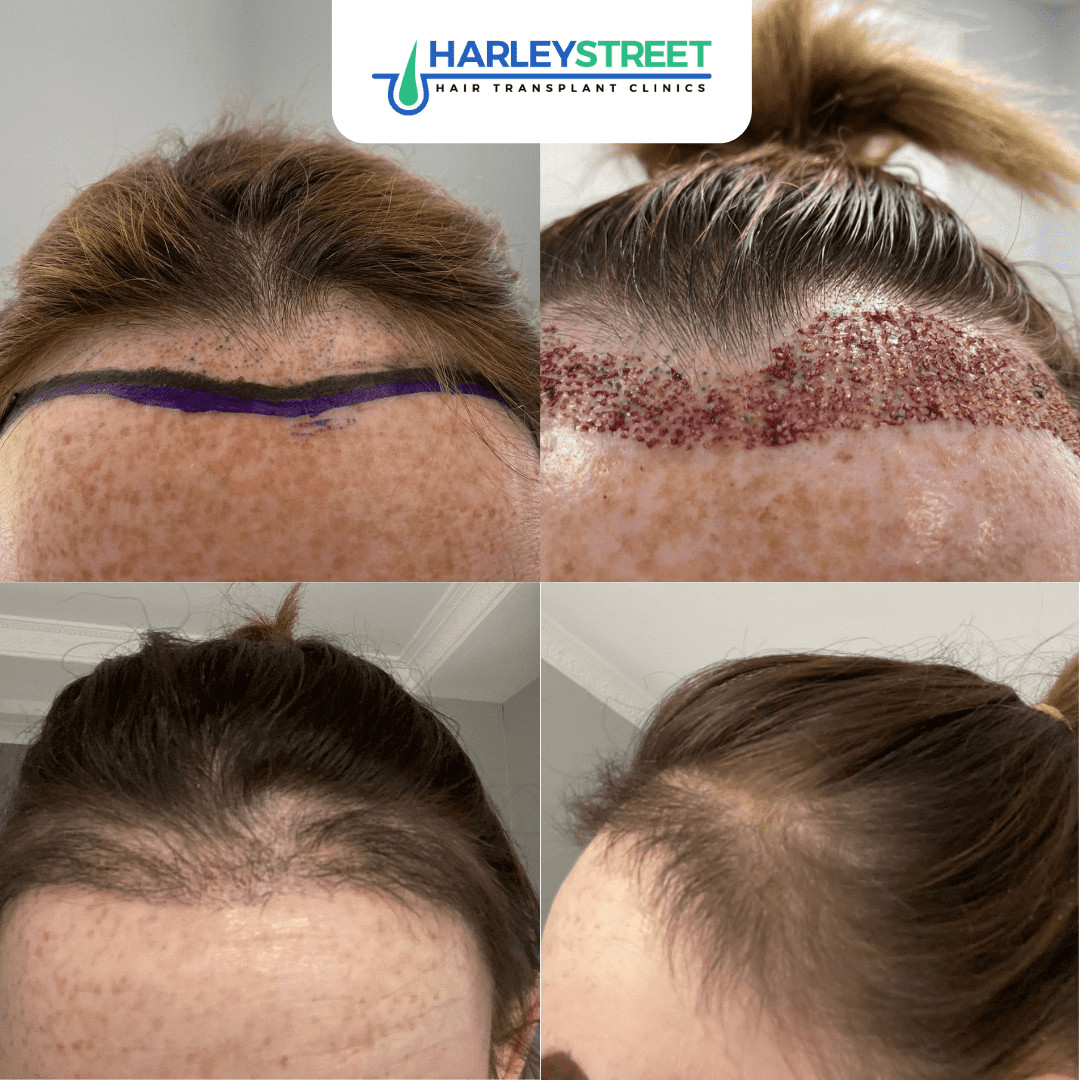
During consultation strategy phase, evaluating your hair type is merely initial beginning point. Equally important is analysis pertaining to follicular fullness, harvest scalp laxity, along with existing level of miniaturization observed. A client with fine hair could need much greater quantity of transplanted hair bulbs achieve equivalent perceived density as an individual possessing thick hair. Such disparity directly governs final cost, procedure duration, and post-operative results. Moreover, specific cosmetic objectives within individual need to balanced with the limitations imposed through the unique hair structure. When example, someone wanting a hairline profile must grasp the fact that fine strands might fail to grant desired density required to the solid appearance without use within specialized placement approaches.
Effective follicular surgical design depends on the careful combination regarding these anatomical facts. The surgeon needs to perform a clinical analysis define the hair profile across different regions the head. Such information subsequently directs selection of the extraction instruments, including the needle size for follicular harvesting. Should harvesting instruments be unnecessarily fine, these might struggle successfully extract entire follicular structure, resulting in avoidable graft loss. Conversely, provided the tools be unnecessarily large, these could creating unnecessary trauma the harvest skin, may weaken subsequent harvesting options. Consequently, hair transplant women istanbul within this preliminary analysis stands as foundation of whole surgical.
In conclusive assessment, the hair structure acts the blueprint throughout one's complete path regarding follicular renewal. It determines just aesthetic ultimate outcome also surgical approach required achieve one's goals. Utilizing engaging with a highly specialist which thoroughly comprehends individual complexities regarding one's particular hair profile, an individual are able to handle likely complexities of hair thinning employing certainty. Keep in mind, journey remains a bespoke journey, as well as a informed individual stands as the partner regarding the personal transformation. In summary, understanding distinct traits within one's hair enables the patient to informed choices that culminate to a fuller appearance regarding hair throughout decades ahead.